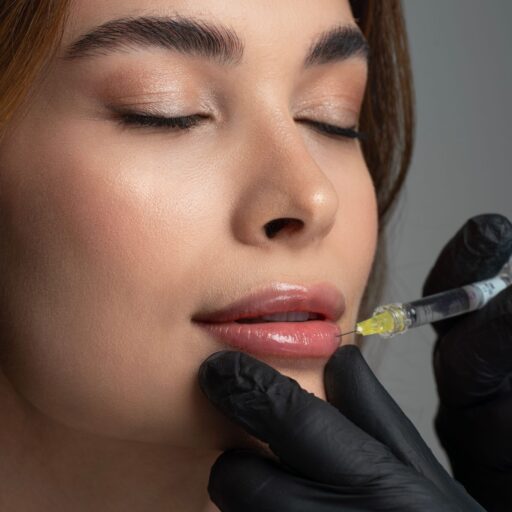
Frequently Asked Questions About Dermal Fillers
-
Sale!
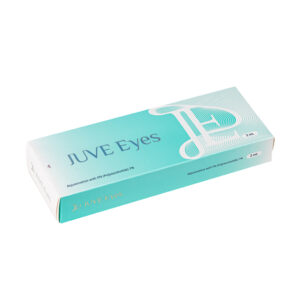
Buy Juve Eyes 1% PN Skin-Booster Online In Canada
Original price was: $140.00.$120.00Current price is: $120.00. -
Sale!
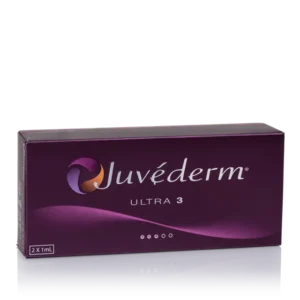
Buy Juvederm® Ultra 3 (2x1ml) Online In Canada
Original price was: $300.00.$280.00Current price is: $280.00. -
Sale!
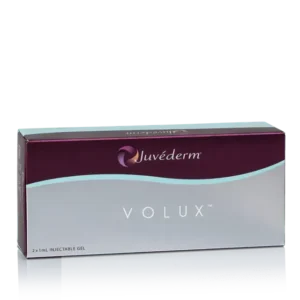
Buy Juvederm® Volux (2x1ml) Online In Canada
Original price was: $350.00.$320.00Current price is: $320.00. -
Sale!
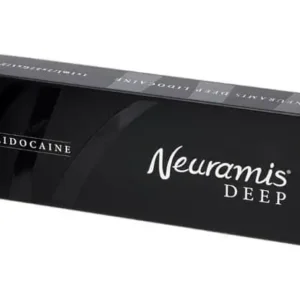
Buy Neuramis Deep (1x1ml) Online In Canada
Original price was: $120.00.$105.00Current price is: $105.00. -
Sale!

Buy Restylane® Lyft (1x1ml) Online In Canada
Original price was: $150.00.$140.00Current price is: $140.00. -
Sale!
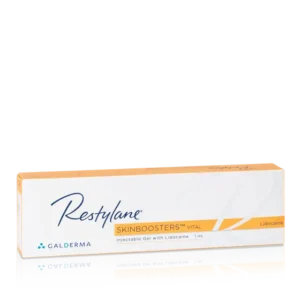
Buy Restylane® Vital Skinbooster (1x1ml) Online In Canada
Original price was: $160.00.$150.00Current price is: $150.00. -
Sale!
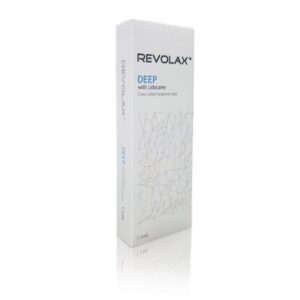
Buy Revolax Deep 1 x 1.1ml Online In Canada
Original price was: $120.00.$100.00Current price is: $100.00. -
Sale!
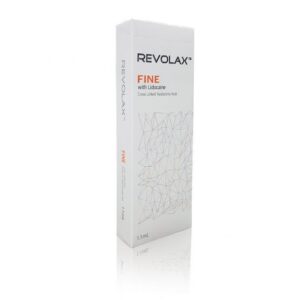
Buy Revolax Fine 1 x 1.1ml Online In Canada
Original price was: $120.00.$100.00Current price is: $100.00. -
Sale!
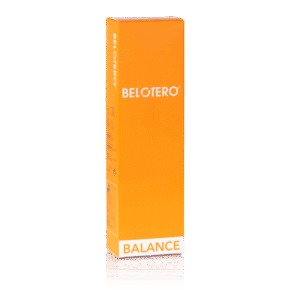
BUY BELOTERO BALANCE 1x1ML ONLINE IN CANADA
Original price was: $160.00.$145.00Current price is: $145.00. -
Sale!
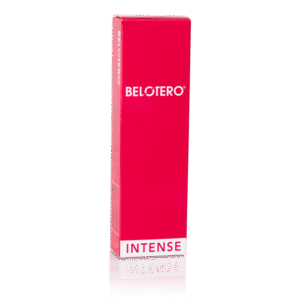
BUY BELOTERO INTENSE 1x1ML ONLINE IN CANADA
Original price was: $160.00.$150.00Current price is: $150.00. -
Sale!
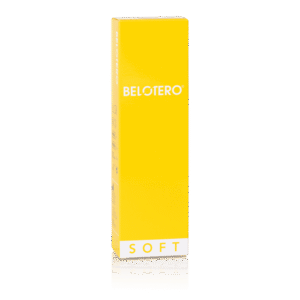
BUY BELOTERO SOFT 1x1ML ONLINE IN CANADA
Original price was: $160.00.$150.00Current price is: $150.00. -
Sale!
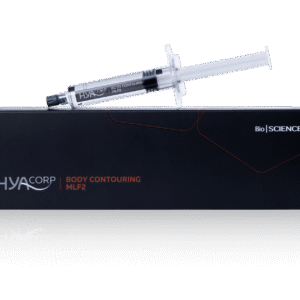
BUY HYAcorp MLF 2 ONLINE IN CANADA
Original price was: $230.00.$190.00Current price is: $190.00.
General Questions Regarding Dermal Fillers
What exactly are dermal fillers and how do they function within human tissue?
Medical-grade dermal fillers are highly sophisticated, gel-based injectable substances engineered to safely add volume, smooth deep lines, and reconstruct structural facial contours altered by chronological aging. The overwhelming majority of contemporary dermal fillers utilize a stabilized, cross-linked formulation of Hyaluronic Acid (HA), which is a naturally occurring sugar molecule that binds thousands of times its own weight in water to maintain skin hydration and bounce. When injected deep into the subcutaneous layers or directly onto the periosteum bone lining, these specialized dermal fillers act as an instant physical scaffolding, lifting sunken tissues and smoothing out static wrinkles from the inside out. By selecting products with variable density and elasticity, licensed injectors can achieve customized, highly natural-looking facial rejuvenation using premium dermal fillers.
Are the dermal fillers available on your platform completely safe for clinical use?
Yes, patient safety is our absolute priority, which is why we exclusively distribute genuine, regulatory-approved dermal fillers manufactured by world-renowned pharmaceutical laboratories. When authentic dermal fillers are administered by a licensed healthcare professional using proper aseptic techniques, they possess an exemplary safety profile with an incredibly low risk of severe systemic adverse reactions. Because high-quality hyaluronic acid dermal fillers are highly biocompatible and identical to the molecules naturally found inside human skin tissue, the body accepts the gel matrix seamlessly without initiating a major foreign-body rejection response. To preserve the uncompromised clinical safety of these medical devices, we enforce strict temperature-controlled storage and distribution guidelines for all our dermal fillers.
What is the expected longevity of premium dermal fillers once injected?
The aesthetic longevity of modern dermal fillers depends heavily on the specific rheology of the product, the anatomical depth of placement, and the unique metabolic rate of the individual patient. Generally speaking, highly dense, cross-linked dermal fillers designed for deep structural volumization of the jawline or chin can maintain their lifting capacity for anywhere from 12 to 24 months. Conversely, softer, more flexible dermal fillers used for subtle superficial lip augmentations or delicate tear trough adjustments tend to break down more rapidly, usually requiring routine clinical maintenance every 6 to 9 months. The gradual, elegant degradation profile of premium dermal fillers ensures that the face ages gracefully, allowing the provider to continuously adjust future treatments to the patient’s shifting skeletal and soft tissue structure.
Technical and Ingredient Inquiries
What is the difference between monophasic and biphasic dermal fillers?
The technical distinction between monophasic and biphasic formulations relates directly to the internal molecular structure and particle distribution established during the cross-linking phase of manufacturing dermal fillers. Monophasic dermal fillers consist of a cohesive, uniform single-phase gel network that provides incredibly smooth extrusion forces and integrates seamlessly into soft tissues, making them perfect for lip enhancements and superficial lines. Biphasic dermal fillers, on the other hand, contain micro-particles of highly cross-linked hyaluronic acid suspended within a fluid, non-cross-linked carrier gel, offering high G-prime structural lift ideal for recreating sharp cheekbones and pronounced jawlines. Understanding these rheological properties empowers aesthetic practitioners to select the precise texture of dermal fillers needed to solve complex anatomical challenges.
Can different brands of dermal fillers be combined during a single treatment session?
While it is clinically acceptable to utilize multiple distinct types of dermal fillers to address different areas of a patient’s face in one sitting, layering different brands directly on top of one another within the exact same anatomical plane is generally discouraged. Mixing different chemical cross-linking technologies in the identical tissue pocket can complicate the degradation process and potentially elevate the long-term risk of delayed-onset nodules or localized hypersensitivity reactions to the foreign dermal fillers. For instance, a skilled clinician may strategically use a high-lifting biostimulatory product to build deep mid-face volume while using a soft, flexible hyaluronic acid gel for superficial lip lines, showcasing how diverse dermal fillers can harmonize when spaced appropriately across distinct tissue depths.
Ordering, Logistics, and Professional Verification
Who is legally authorized to purchase wholesale dermal fillers from your website?
To strictly comply with Canadian medical distribution laws and protect public health, we enforce a rigid professional verification process that restricts the purchase of our wholesale dermal fillers to credentialed healthcare providers. Authorized buyers include licensed physicians, plastic surgeons, dermatologists, nurse practitioners, and registered nurses who hold active, unencumbered licenses to inject or prescribe dermal fillers within their specific Canadian province. During account setup, our legal compliance team carefully reviews all professional registration numbers and institutional clinic credentials to guarantee that these highly regulated dermal fillers are never diverted into the hands of unlicensed individuals or untrained consumers.
How do you protect the structural integrity of dermal fillers during winter shipping?
Canada’s severe seasonal temperature drops present a major logistical challenge for delicate medical injectables, which is why we utilize an advanced, multi-layered cold-chain delivery workflow to shield our wholesale dermal fillers from freezing. If a hyaluronic acid gel is exposed to sub-zero temperatures during transit, the delicate cross-linked molecular bonds can crystalize and fracture, completely ruining the lifting properties and safety profile of the dermal fillers. To prevent this, every shipment is nestled within heavy-duty, insulated thermal coolers packed with specialized phase-change heat packs designed to maintain a stable, optimal internal microclimate regardless of freezing outdoor conditions. We monitor nationwide meteorological trends daily, choosing the fastest express courier routes to ensure your dermal fillers arrive at your medical spa in pristine, ready-to-inject condition.
What should I do if my package of dermal fillers arrives damaged or compromised?
In the rare event that your medical freight arrives showing signs of transit damage, structural box leakage, or severe temperature exposure, your administrative staff must document the compromise and contact our support team within 48 hours of delivery. To process a valid insurance claim and authorize a rapid replacement, we require clear, high-resolution digital photographs and uninterrupted unboxing video evidence showing the lot batch numbers of the affected dermal fillers. Because we maintain an absolute chain of custody over our inventory, our laboratory team will cross-reference the damage with our internal packing logs to resolve the issue without disrupting your clinic’s schedule. We stand behind the quality of our logistics, promising to immediately ship out replacement stocks of your critical dermal fillers if a courier failure is verified.
Clinical Application and Post-Treatment Safety
How can injectors minimize the risk of vascular occlusions when using dermal fillers?
Vascular occlusion represents the most urgent and critical risk associated with aesthetic medicine, occurring when a bolus of gel is accidentally injected directly into a facial artery, blocking blood flow. To protect patient tissue from localized necrosis, clinicians must navigate high-risk facial zones with extreme caution, utilizing slow injection speeds, low extrusion pressure, and continuous aspiration before deploying any dermal fillers. Many master injectors prefer switching from traditional sharp needles to blunt-tip microcannulas when treating high-risk areas like the piriform aperture or temples, as the rounded tip pushes blood vessels aside rather than puncturing them. Furthermore, clinics must always keep an emergency crash cart fully stocked with fresh hyaluronidase enzymes to immediately dissolve hyaluronic acid dermal fillers at the first sign of tissue blanching or severe pain.